
English| USD
Suggested for you
More currencies
Choose a language
Siena occupies the geographic center of Tuscany's most-visited corridor, equidistant from Florence, Val d'Orcia, and the Chianti hills. The question of whether to base here hinges on transport access, accommodation density, and daily itinerary patterns. This guide breaks down the practical advantages and trade-offs against alternative hubs.
Quick answer
Yes, Siena works as a strategic Tuscany base if you prioritize a car-free medieval environment with direct rail access to Florence (90 minutes) and bus connections to hill towns like San Gimignano (50 minutes) and Montepulciano (70 minutes). The historic center is compact and walkable, with accommodation concentrated inside the city walls. Trade-off: hourly train frequency to Florence is lower than from Prato or Empoli, and reaching coastal destinations requires transfers.
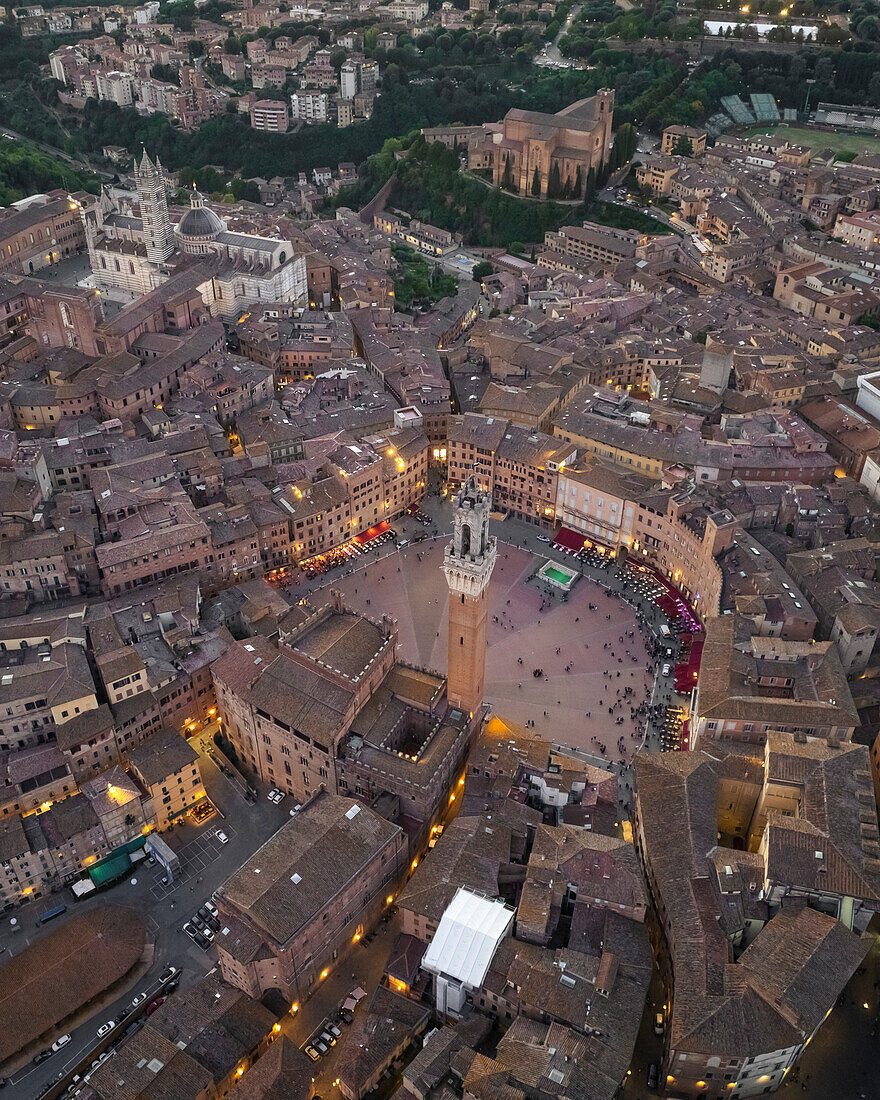
Siena sits 70 kilometers south of Florence at the intersection of the SS2 Cassia and the Siena-Empoli rail line, placing it within 90 minutes of most central Tuscan destinations by public transport or rental car. The UNESCO-protected centro storico bans private vehicles, meaning visitors staying inside the walls walk cobbled alleys to restaurants, the Cathedral complex on Piazza del Duomo, and the sloping expanse of Piazza del Campo. No ride-sharing penetrates the ZTL perimeter. Using Siena as a home base for Tuscany delivers logistical advantages for travelers prioritizing hill-town access over coastal reach. Hourly Tiemme buses connect Siena to San Gimignano, Monteriggioni, and Montalcino without requiring a car, while the regional train to Florence runs every 60–90 minutes from dawn until evening. Rental cars parked in the Santa Caterina or Il Campo lots provide flexibility for spontaneous routes through Val d'Orcia's gravel roads and vineyard lanes. Florence remains the superior rail hub for Pisa, Lucca, and Cinque Terre, but Siena reduces the tourist density and nightly accommodation costs by 20–30 percent compared to Florentine properties within walking distance of Santa Maria Novella station. The Duomo, Siena's Gothic cathedral anchoring Piazza del Duomo, opens Monday through Saturday from 10:00 to 19:00 and Sunday from 13:30 to 18:00, with a 7 EUR entrance fee for the nave and transept. The OPA Si Pass covering the cathedral floor, Piccolomini Library, and Museo dell'Opera costs more but bundles access to the Baptistery and Crypt. Visitors staying multiple nights can structure one full day for the Cathedral complex and Palazzo Pubblico, then dedicate subsequent mornings to radial day trips before returning to Siena's contrade neighborhoods for aperitivo. Basing in a Tuscan city instead of a rural agriturismo trades vineyard views for walkable infrastructure. Siena delivers supermarket access, late-night pharmacies, and restaurants that don't require advance reservations during shoulder seasons. The Fortezza Medicea park provides green space without leaving the walls. For itineraries weighting hill towns and wine country over coastal excursions, Siena functions as the logistical center Tuscany's rail and bus networks were designed around.
“Siena reduces tourist density and accommodation costs by 20–30 percent compared to Florence while maintaining hourly public transport to major Tuscan destinations.”
Choosing a base for your Tuscany travels depends on whether you prioritize regional connectivity, central strategic positioning, or an immersive small-town experience. This comparison weighs the advantages of Florence, Siena, and San Gimignano to help you align your stay with your travel style.
| Florence Regional Hub | Siena Central Strategic Recommended | San Gimignano Rural Charm | |
|---|---|---|---|
| Primary Transport Hub | Major rail and bus connections | Regional bus and regional rail | Limited bus access |
| Atmosphere | High-energy metropolitan | Historic medieval urban | Quiet fortified village |
| Travel Time to Rural Sights | 60–90 minutes | 20–45 minutes | 15–30 minutes |
| Nightlife Options | High volume of venues | Moderate selection of wine bars | Limited to evening dining |
| Walkability | High with pedestrian zones | High within historic walls | High but hilly terrain |
Verdict: Choose Florence for maximum transit flexibility, Siena for the optimal balance of services and rural access, or San Gimignano if your priority is quiet evenings in a preserved hilltop setting.
This three-day plan suits travelers who want a historic base with day-trip flexibility. Siena itself rewards a full day of exploration, while San Gimignano and Monteriggioni each make comfortable half-day or full-day excursions.
Start at Piazza del Campo, the shell-shaped square that hosts the Palio, then visit the Cathedral and climb Torre del Mangia for rooftop views. Allow three to four hours for the centro storico.
Each neighborhood displays its own heraldic colors and fountains; the quiet streets between Piazza del Campo and the Cathedral reveal local bakeries and ceramic workshops.
Catch an early bus (about 1h 15m) to explore the medieval towers, Piazza della Cisterna, and the Collegiata frescoes. The town is compact and walkable in three hours.
If you have a rental car, loop back through Chianti for a wine estate stop; otherwise, the direct bus returns you to Siena by early evening.
This walled hamlet lies 15 km northwest and takes thirty minutes by car or regional bus. Walk the intact circuit of towers in under an hour.
Revisit any museum you missed, shop for panforte and ricciarelli, or relax in the Orto de' Pecci gardens before your onward journey.
Siena serves as a central hub in Tuscany, accessible via direct regional trains and bus lines, while nearby hilltop towns like San Gimignano and Monteriggioni require additional regional bus transfers or personal transport.
Regionals from Firenze Santa Maria Novella to Siena
Autolinee Toscane Line 130 to San Gimignano
Autolinee Toscane Line 130/131 to Monteriggioni
SR2 and Raccordo Autostradale Firenze-Siena
For the most efficient start to your day, arrive at the Piazza del Duomo between 10:00 and 11:30 to avoid mid-day crowds and afternoon tour groups.
The Siena Cathedral follows a consistent weekly schedule, providing opportunities for exploration throughout the day with a delayed opening on Sundays.
Planning your daily sightseeing budget in Siena requires understanding the official entrance fees for the city's primary cultural sites. Costs depend on whether you choose individual entry or a combined pass for the full cathedral complex.
Verdict: A typical adult pays 7 EUR for cathedral entry, while the total cost increases when selecting the comprehensive OPA Si Pass for the entire complex.
The period between April and May or September and October offers the most favorable balance of manageable crowds and moderate temperatures. For the best experience, aim to arrive in Siena between 10:00–11:30 to avoid the peak mid-day arrival of regional tour groups.
Mild temperatures, 15°C to 22°C
Wildflowers bloom and rural landscapes are vibrant before the summer heat.
Comfortable, 16°C to 24°C
Harvest season begins and the intense July and August heat dissipates.
—
Visiting between 10:00–11:30 helps bypass the heaviest influx of day-trippers from Florence.
Hot, 25°C to 32°C
Expect dense foot traffic in San Gimignano and central Siena during July and August.
Verdict: Visit Tuesday to Thursday during the shoulder months of April or October, arriving at your first destination by 10:00 to 11:30.
Everything you need to know about is siena a good base for tuscany
Yes, is siena a good base for tuscany because its central location provides easy access to the Chianti region and medieval hill towns. Travelers often choose this city to experience a quieter atmosphere while remaining close to major attractions. Many visitors find that is siena a good base for tuscany due to its extensive bus and train connections. Staying here allows you to explore the local Gothic architecture and surrounding vineyards with minimal travel time. Compared to Florence, staying in Siena offers a more relaxed pace and a better sense of regional immersion. It serves as an excellent midpoint for those planning day trips to neighboring provinces. You can easily reach these locations via regional bus lines, making them perfect day excursions. The city's compact nature and pedestrian-friendly streets mean that is siena a good base for tuscany for families seeking a walkable historic environment. You can explore the central plazas and local museums without the heavy traffic found in larger urban hubs. The best arrival window to avoid crowds is between 10:00 and 11:30. Following this schedule helps you miss peak tour group activity and ensures a more comfortable visit to the Cathedral complex. For a short visit, the central location helps you maximize your time by reducing time spent in transit between regional landmarks. It is practical to center your itinerary here to see the most important sights in one trip. The historical center is defined by its UNESCO heritage status and medieval urban planning. Visitors should prepare for cobblestone streets and varying elevations while navigating the area on foot.
Private Siena, San Gimignano & Chianti Tour
Read more GuideGetting to San Gimignano and Siena
Read more GuideIs San Gimignano Worth Visiting?
Read more Tickets & toursSmall Group Tour from Florence
Read more GuideTrain vs Bus to San Gimignano
Read more GuideDistances in Tuscany
Read more